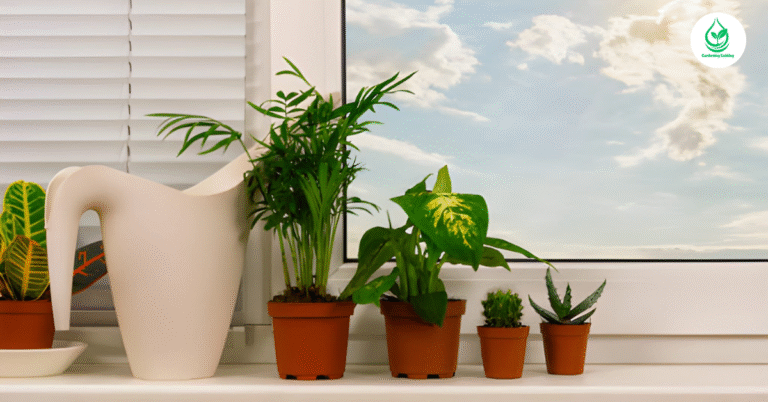
6 Zen Japanese Small Garden: Creating Tranquility in Compact Spaces
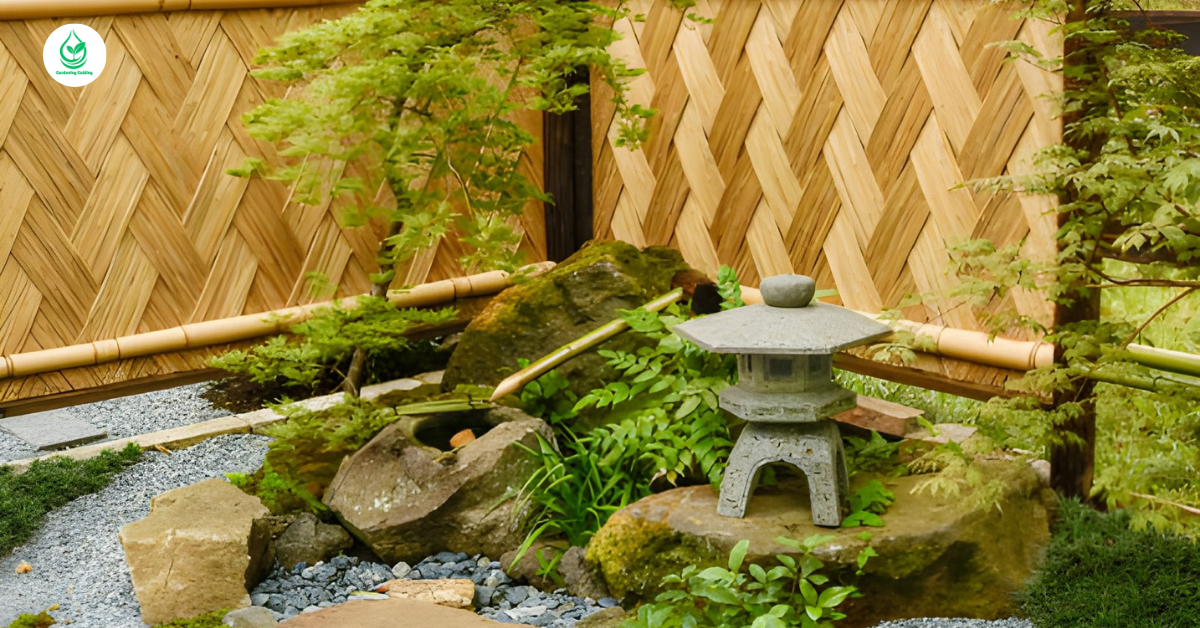
Japanese Zen gardens, also known as Karesansui or dry landscape gardens, embody serenity, balance, and natural harmony. They were originally designed by monks as meditation spaces, representing nature through symbolic elements like rocks, sand, and plants.
Even in small modern homes, a Zen Japanese small garden can transform a simple outdoor or indoor corner into a space of peace and mindfulness. The beauty of these gardens lies not in size, but in meaning — each stone, leaf, and ripple of sand represents a larger story of life and balance.
Here are 6 Zen Japanese small garden ideas that combine minimalism, nature, and peace — perfect for apartments, courtyards, or tiny backyards.
1. Minimalist Rock and Sand Zen Garden
1.1 The Symbolism Behind Rocks and Sand
In Zen gardens, rocks symbolize mountains or islands, while sand or gravel represents water. The raked lines mimic waves, reflecting the continuous flow of life. Creating these ripples by hand is deeply meditative — helping calm the mind and relieve stress.
1.2 Choosing the Right Materials
Use fine white gravel or sand and smooth river stones. Arrange stones in odd numbers, as it represents natural imperfection — an essential Zen principle. The contrast between textures adds both depth and simplicity to your design.
1.3 Maintenance Tips
Minimalist rock gardens are low-maintenance. Simply rake the gravel occasionally to renew patterns and remove fallen leaves. To keep your sand fresh, cover the area during rain or replace the top layer every few months.
2. Bamboo and Water Harmony Garden
2.1 The Role of Water in Zen Philosophy
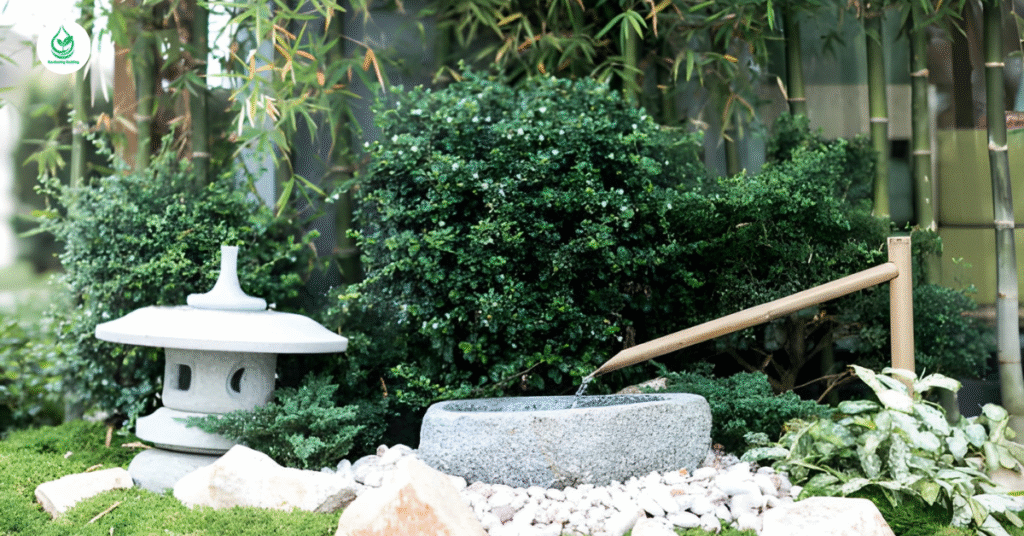
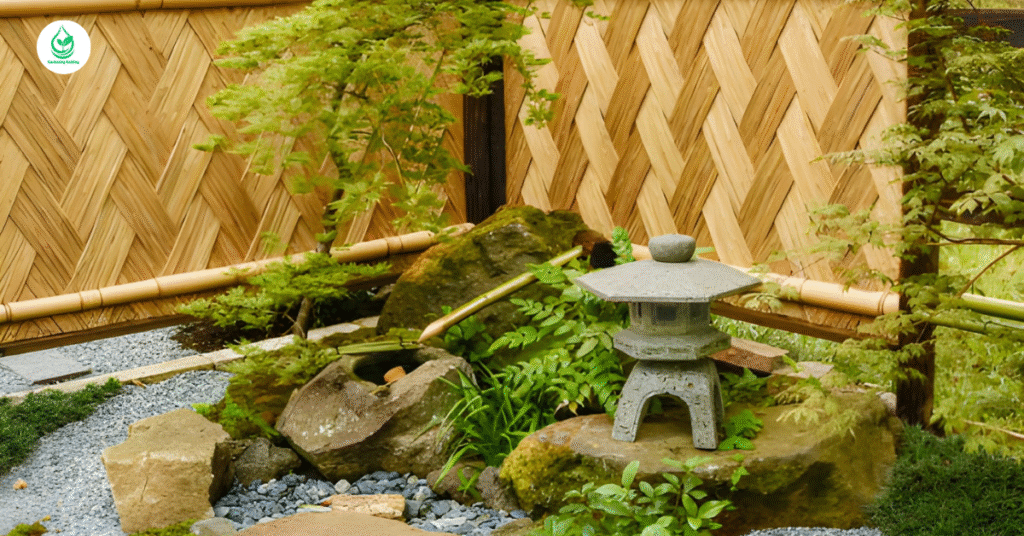
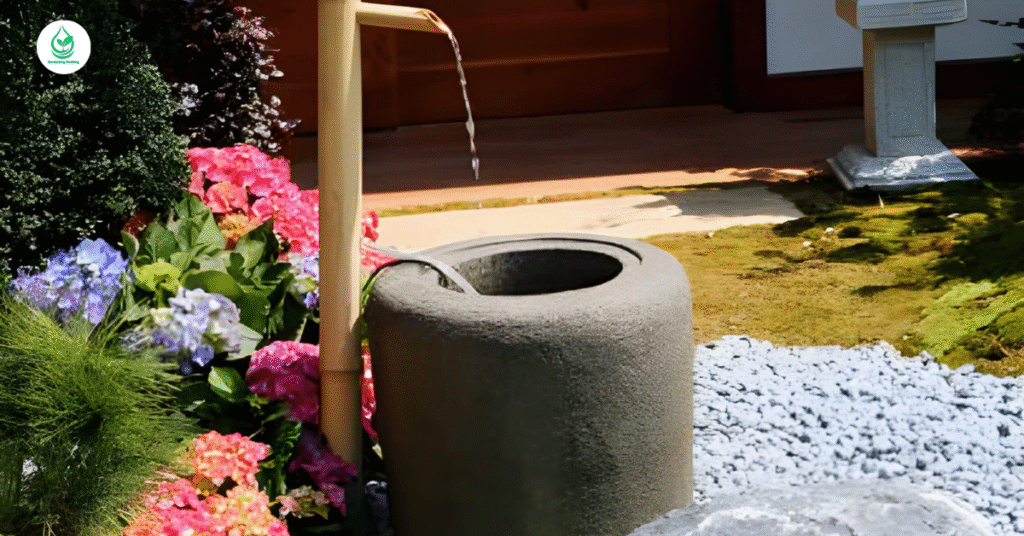
In Japanese culture, water symbolizes renewal, life, and purification. Adding a small bamboo fountain or shishi-odoshi (deer chaser) brings peaceful sound and fluid energy to your garden. The rhythmic trickling of water soothes the senses and invites meditation.
2.2 Perfect Bamboo Placement
Bamboo screens can serve as natural walls for privacy while enhancing the minimalist aesthetic. Choose dwarf bamboo species for small gardens. Their bright green color pairs beautifully with stones and water features.
2.3 Water Feature Care
Keep the water clean by using a small pump or filtering system. Regularly trim bamboo to prevent overgrowth. You can also add a few moss patches around the fountain to enhance the natural, aged look typical of Japanese gardens.
3. Moss and Stone Serenity Corner
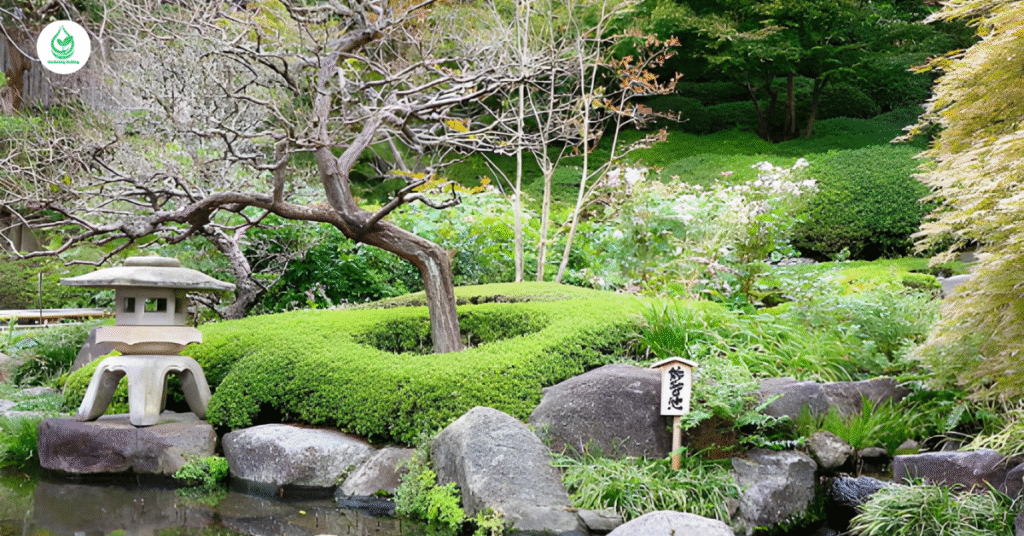
3.1 The Beauty of Moss in Zen Aesthetics
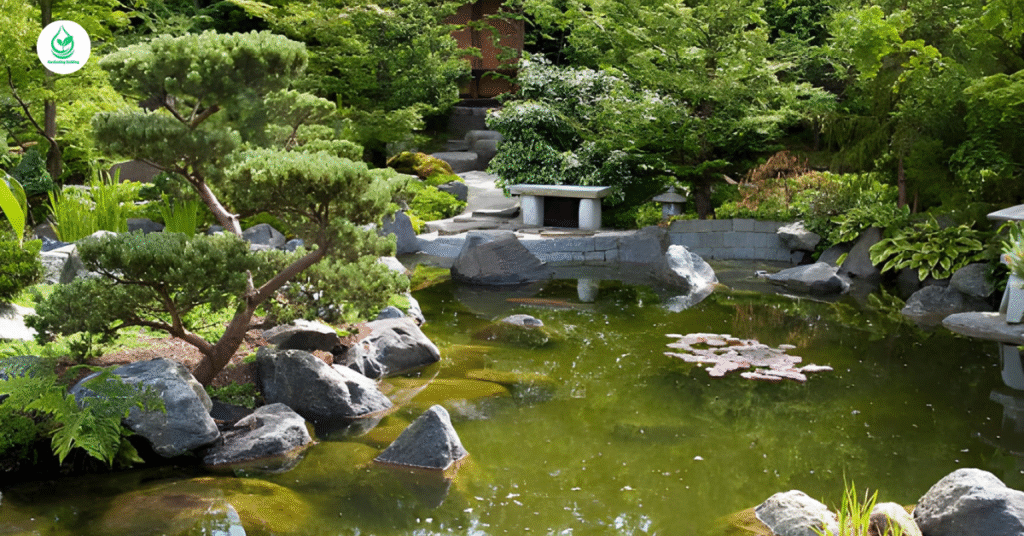
Moss is a traditional element in Japanese gardens, symbolizing calmness and timelessness. It thrives in shady, moist areas and gives your garden a lush, ancient feel. Even in small spaces, a moss patch can create a deep sense of stillness.
3.2 Combining Moss with Stones
Arrange smooth stones in clusters surrounded by moss. Use varying sizes to represent mountains and valleys. This contrast between hard and soft textures brings balance and natural flow to your garden’s design.
3.3 Caring for Moss
Keep moss hydrated using a spray bottle daily, especially in dry weather. Avoid direct sunlight and ensure good drainage. If your space is too bright, consider using artificial shade or planting the moss in a corner with indirect light.
4. Lantern and Pathway Zen Garden
4.1 Japanese Lantern Symbolism
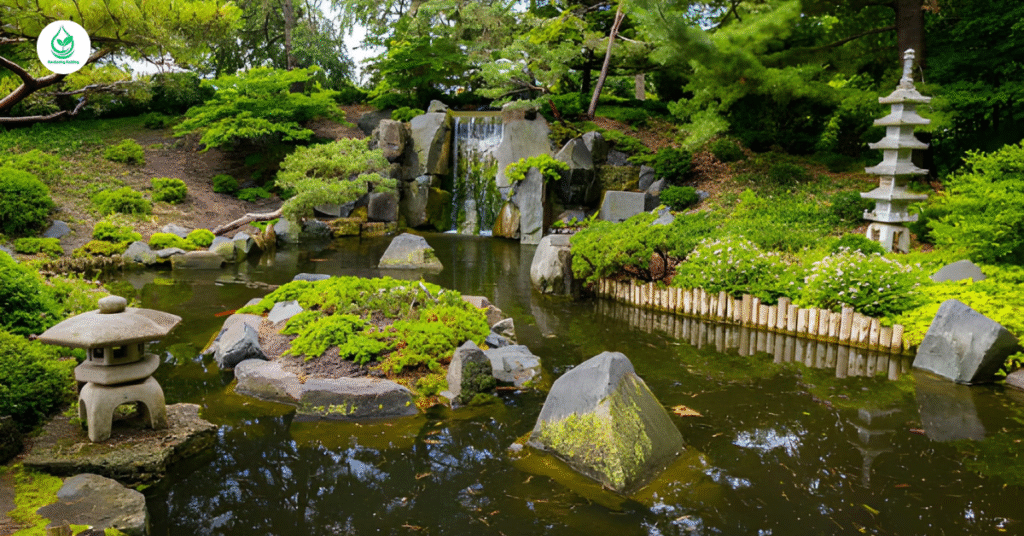
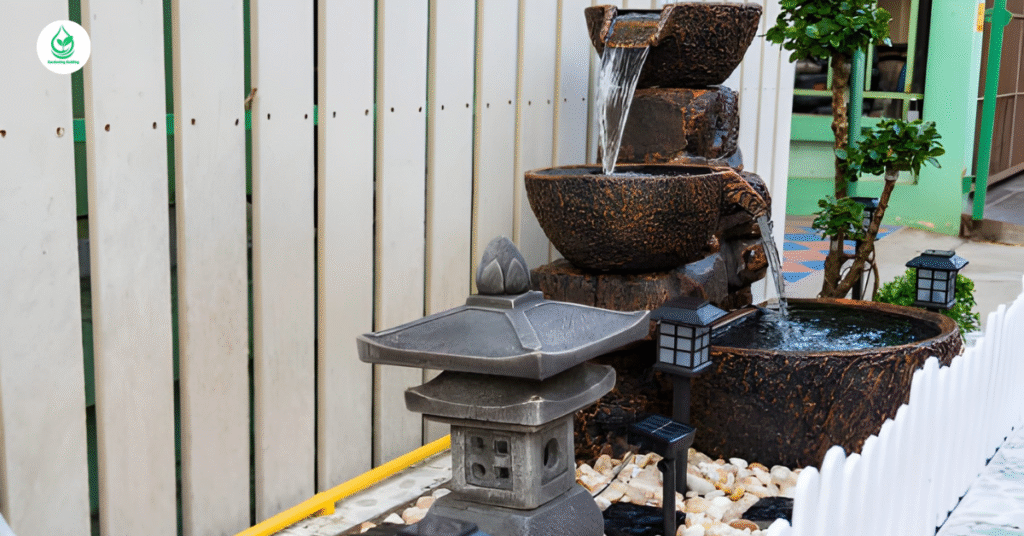
Traditional stone lanterns, or tōrō, are a hallmark of Japanese gardens. They symbolize light guiding the spirit. Placing one near your entrance or pathway creates a peaceful ambiance, especially when lit softly at night.
4.2 Designing a Pathway of Peace
Use stepping stones surrounded by gravel or moss. Each step should feel deliberate — representing mindfulness in movement. Japanese paths often curve gently, symbolizing the journey of life rather than a straight, predictable route.
4.3 Lighting for Tranquility
Soft LED lights or candles placed strategically can highlight the lanterns or plants. Avoid bright lights; the goal is to create a warm, spiritual glow rather than illumination.
5. Bonsai and Miniature Tree Garden
5.1 The Spiritual Connection with Bonsai
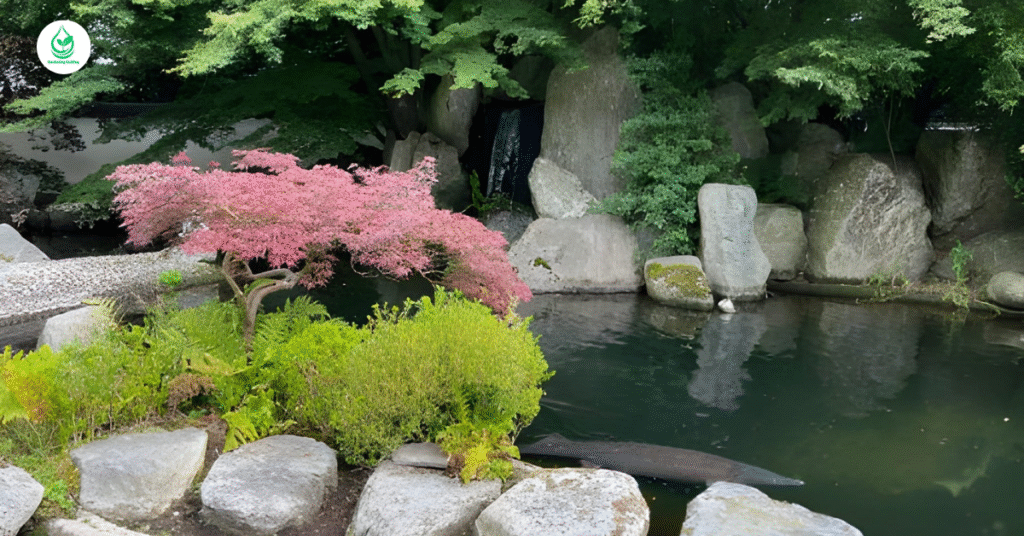
Bonsai trees represent patience, care, and artistic control over nature. They’re often the focal point of small Zen gardens, reminding you that growth and beauty require time and discipline.
5.2 Best Bonsai Varieties for Small Spaces
Try Juniper, Ficus, or Japanese Maple bonsai — all thrive indoors or in small courtyards. Their miniature leaves and graceful shapes add elegance to even the tiniest garden.
5.3 Bonsai Maintenance Tips
Bonsai trees need sunlight and consistent pruning. Water them when the topsoil feels dry, and use specialized bonsai tools for trimming. Rotate the pot weekly to ensure even growth on all sides.
6. Gravel Meditation Courtyard
6.1 Creating a Meditative Layout
A small courtyard filled with raked gravel and a single focal rock can be incredibly powerful. It embodies the Zen principle of Ma — the space between things — representing emptiness as beauty.
6.2 Enhancing the Mood
Place a small bench or meditation cushion nearby. Add a low bamboo fence or wall to provide privacy and focus. You can even include wind chimes or a small incense burner to heighten the sensory experience.
6.3 Seasonal Upkeep
Since gravel is the main element, occasional cleaning and raking are sufficient. Replace discolored stones annually and ensure no weeds grow through. In autumn, fallen leaves can add a poetic touch if left naturally scattered.
Pros and Cons of Zen Japanese Small Gardens
Pros
- Low Maintenance – Zen gardens require minimal watering and pruning, perfect for busy people or small urban spaces.
- Promotes Mindfulness – The act of raking gravel or arranging stones helps relieve stress and encourages calmness.
- Space-Saving Beauty – You don’t need a large yard; even a corner balcony can be transformed into a Zen retreat.
- Year-Round Appeal – The use of evergreens, rocks, and moss means your garden looks beautiful in all seasons.
- Eco-Friendly Design – Zen gardens use natural materials like gravel and stone, reducing the need for chemicals and water.
Cons
- Limited Plant Variety – Zen gardens focus on simplicity, so you won’t find a wide range of colorful flowers.
- Regular Cleaning Needed – Gravel and sand need raking to maintain clean lines and avoid debris buildup.
- Requires Thoughtful Design – Minimalism can be challenging; each element must be carefully placed to maintain harmony.
- Initial Setup Cost – Quality stones, sand, and lanterns may be expensive to source initially.
- Can Feel Too Minimal for Some – If you prefer lush, vibrant gardens, a Zen garden’s simplicity might feel plain.
🪴 Comparison Table: Types of Zen Japanese Small Gardens
| Type of Zen Garden | Main Elements | Best For | Maintenance Level | Mood/Effect |
| Rock & Sand Garden | Gravel, stones, raked patterns | Meditation & minimalism lovers | Very Low | Calm and focused |
| Bamboo Water Garden | Bamboo, small fountain, moss | Those seeking sound & movement | Medium | Refreshing and soothing |
| Moss & Stone Garden | Moss patches, stones, shade plants | Shady spaces, natural beauty fans | Low | Ancient, earthy charm |
| Lantern Path Garden | Stone lanterns, stepping stones | Walkways, entrances | Medium | Welcoming and symbolic |
| Bonsai Garden | Bonsai trees, miniature décor | Indoor or balcony gardens | Medium-High | Artistic and elegant |
| Gravel Courtyard Garden | Raked gravel, single focal stone | Courtyards or corners | Very Low | Peaceful and reflective |
10 Frequently Asked Questions (FAQs)
1. What is a Zen Japanese small garden?
It’s a minimalist landscape using rocks, gravel, moss, and bamboo to represent nature and promote calmness.
2. Can I create a Zen garden indoors?
Yes! A tabletop or balcony Zen garden can bring the same tranquility to your home’s interior.
3. What does sand represent in Zen gardens?
Sand or gravel symbolizes water and the flow of energy, reminding us of balance and impermanence.
4. How do I maintain moss in a Zen garden?
Keep it moist and shaded, and spray it daily in hot weather to prevent drying.
5. Can Zen gardens have flowers?
Typically, Zen gardens avoid bright flowers, but you can use subtle blooms like white camellia or iris for gentle color.
6. What materials do I need to start a Zen garden?
Gravel, stones, a rake, bamboo fencing, and optional décor like lanterns or bonsai are enough to start.
7. How can I make my Zen garden unique?
Add small personal touches like a miniature pagoda, water basin, or incense corner.
8. Are Zen gardens suitable for apartments?
Yes, small tray gardens or balcony versions are perfect for limited spaces.
9. How often should I rake my Zen garden?
Once a week or whenever the lines fade — the act of raking is part of Zen mindfulness practice.
10. What is the ideal location for a Zen garden?
A quiet corner with indirect sunlight — somewhere you can sit, breathe, and reflect peacefully.
Conclusion
A Zen Japanese small garden is not just a visual delight — it’s a living philosophy. It teaches us simplicity, patience, and appreciation for nature’s quiet beauty. Whether you have a balcony, a small backyard, or even just a few square feet indoors, these 6 Zen garden ideas can bring calm and elegance into your life.
From the soft sound of bamboo water to the meditative act of raking gravel, every element works together to remind you that peace can exist in the smallest spaces.
So, take a deep breath, grab a rake, and begin crafting your very own Zen sanctuary today.